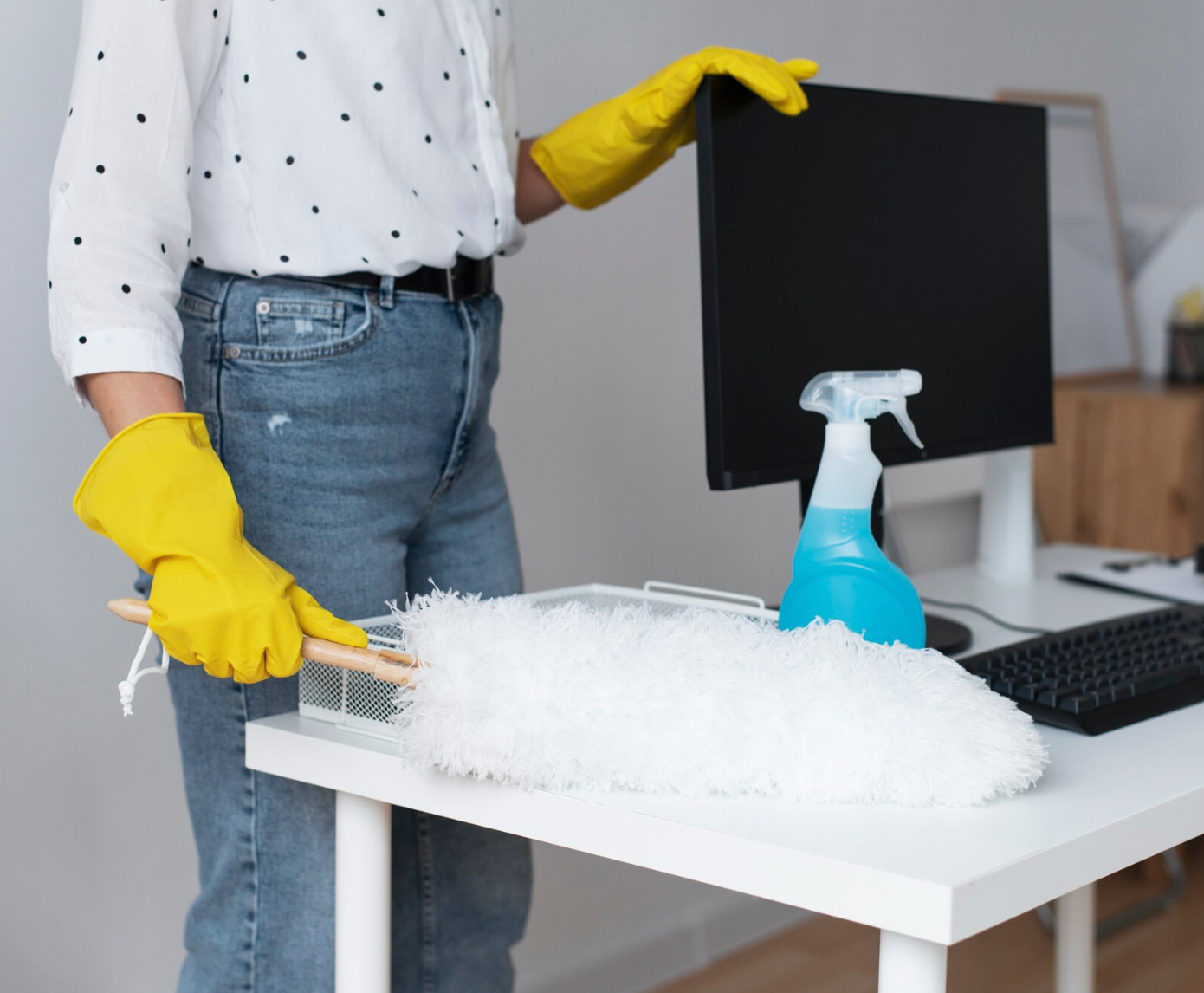
When businesses think about growth strategies, they often focus on marketing, hiring, or technology. Rarely does cleaning appear in boardroom discussions. Yet the condition of a workplace plays a quiet but powerful role in shaping company culture, employee behaviour, and client perception.
In a competitive city like London, where first impressions and operational standards matter, structured cleaning programmes are part of the foundation that supports a professional environment.
Cleanliness as a Reflection of Organisational Standards
Workplaces communicate values without saying a word. An office that is consistently clean, organised, and well maintained signals discipline, attention to detail, and respect for employees.
On the other hand, overflowing bins, stained carpets, or poorly maintained washrooms can subtly undermine confidence in leadership and management systems.
Professional Office Cleaning Services London providers support businesses by ensuring that every part of the workplace reflects the standards the organisation wants to project—both internally and externally.
The Psychology of Clean Work Environments
Environmental psychology suggests that physical surroundings influence mood and behaviour. In office settings, this can translate into measurable differences in productivity and collaboration.
A well-maintained environment can:
- Encourage employees to keep their own workspaces organised
- Reduce stress associated with clutter or unpleasant surroundings
- Improve overall workplace satisfaction
- Support stronger focus during meetings and collaborative sessions
Clean shared spaces, particularly kitchens and breakout areas, also encourage positive social interaction among teams.
Hygiene and Risk Management
Beyond presentation and comfort, cleaning plays a crucial role in risk management. Offices are high-touch environments. Door handles, lift buttons, shared desks, and kitchen appliances are used repeatedly throughout the day.
Regular sanitisation helps reduce:
- The spread of common illnesses
- Sick leave disruptions
- Potential compliance issues in regulated industries
- Health and safety risks
In London’s commercial buildings—often housing multiple companies under one roof—consistent cleaning standards help maintain safe shared environments.
Supporting Hybrid and Flexible Working Models
The shift toward hybrid working has changed how offices operate. Desks are now frequently shared. Teams rotate in and out of physical spaces. Meeting rooms are booked dynamically.
This flexibility increases the importance of dependable cleaning routines. Shared equipment and rotating workstations require structured sanitisation processes to ensure every employee walks into a hygienic and ready-to-use environment.
Professional cleaning schedules adapted to hybrid models help businesses maintain consistency despite fluctuating occupancy.
Protecting Long-Term Asset Value
Office spaces represent a significant investment. Carpets, flooring, furnishings, and fixtures deteriorate more quickly without proper maintenance.
Routine cleaning extends the lifespan of:
- Carpets and upholstery
- Hard flooring surfaces
- Glass partitions and windows
- Washroom fittings
- Kitchen appliances
Preventative care reduces the need for costly repairs or premature replacements, making cleaning not just an operational cost, but a long-term asset protection strategy.
Environmental Responsibility in Commercial Cleaning
Sustainability is increasingly central to corporate responsibility. Cleaning practices contribute directly to environmental impact through chemical usage, water consumption, and waste management.
Eco-conscious cleaning approaches prioritise:
- Low-toxicity cleaning products
- Efficient equipment that reduces water and energy usage
- Responsible waste disposal
- Minimised chemical exposure for staff
Businesses committed to environmental responsibility benefit from aligning their cleaning practices with broader sustainability goals.
Clean Offices as Part of Employer Branding
Attracting and retaining talent in London’s competitive job market requires more than competitive salaries. Workplace experience matters.
A clean, fresh, and well-maintained office environment contributes to:
- Stronger first impressions for job candidates
- Higher employee retention
- Positive workplace reviews
- Increased employee pride
Cleanliness may not be the most visible element of employer branding, but it directly influences how people feel about where they work.
Commercial cleaning is often viewed as a background function. In reality, it influences workplace culture, operational stability, risk management, sustainability, and brand perception. In modern London offices, structured cleaning services are not simply about maintaining surfaces—they help maintain standards, confidence, and performance across the entire organisation.