BLOGHOSTS
No Result
View All Result
  • Home
    • Home – Layout 1
  • Business
  • Computers
  • Fashion
  • Finance
  • General
  • Home
    • Home – Layout 1
  • Business
  • Computers
  • Fashion
  • Finance
  • General
No Result
View All Result
BLOGHOSTS
No Result
View All Result
Home General

How Commercial Cleaning Shapes Workplace Culture in Modern London Offices

How Commercial Cleaning Shapes Workplace Culture in Modern London Offices
Share on FacebookShare on Twitter

When businesses think about growth strategies, they often focus on marketing, hiring, or technology. Rarely does cleaning appear in boardroom discussions. Yet the condition of a workplace plays a quiet but powerful role in shaping company culture, employee behaviour, and client perception.

In a competitive city like London, where first impressions and operational standards matter, structured cleaning programmes are part of the foundation that supports a professional environment.

Cleanliness as a Reflection of Organisational Standards

Workplaces communicate values without saying a word. An office that is consistently clean, organised, and well maintained signals discipline, attention to detail, and respect for employees.

On the other hand, overflowing bins, stained carpets, or poorly maintained washrooms can subtly undermine confidence in leadership and management systems.

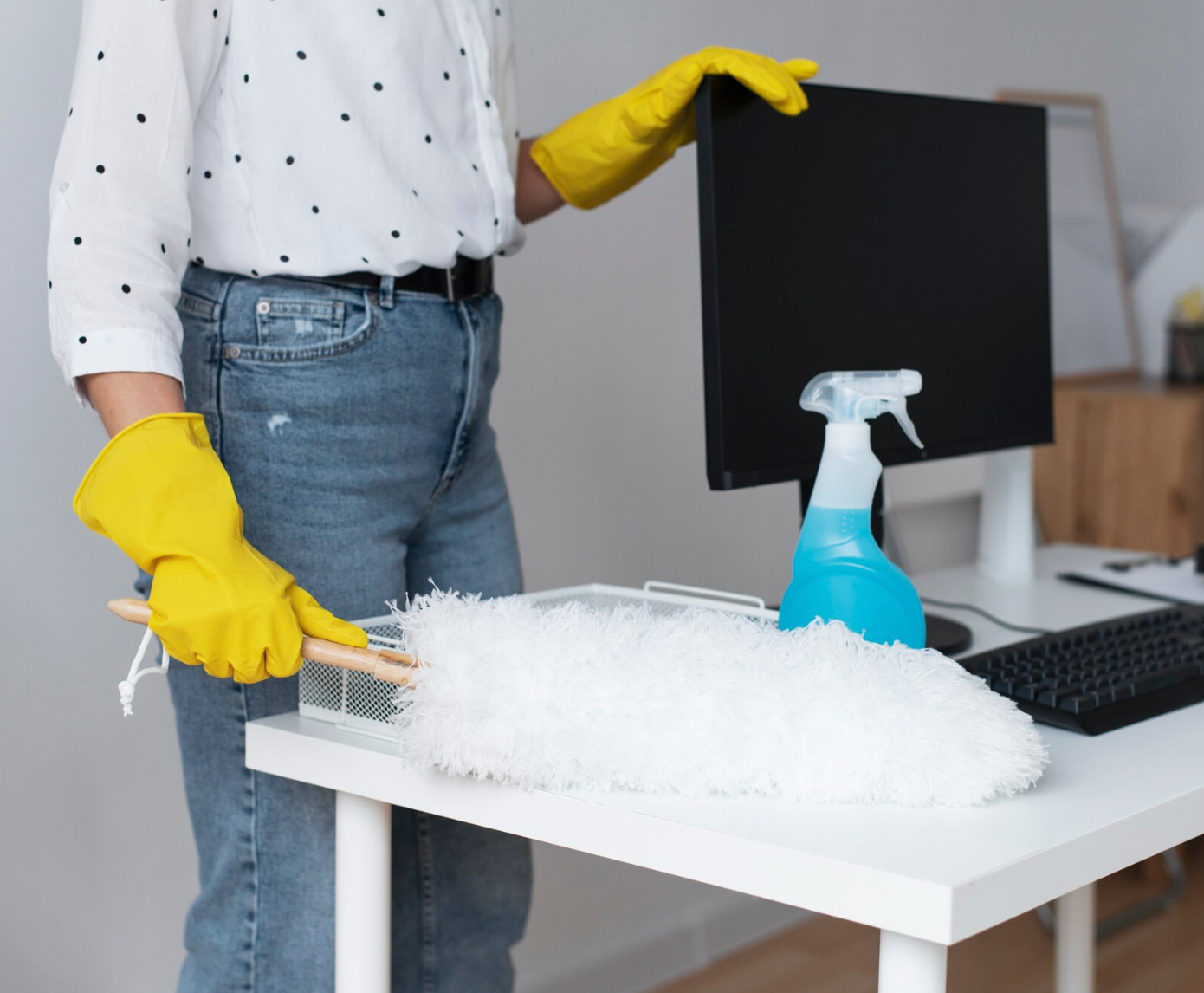
Professional Office Cleaning Services London providers support businesses by ensuring that every part of the workplace reflects the standards the organisation wants to project—both internally and externally.

The Psychology of Clean Work Environments

Environmental psychology suggests that physical surroundings influence mood and behaviour. In office settings, this can translate into measurable differences in productivity and collaboration.

A well-maintained environment can:

  • Encourage employees to keep their own workspaces organised
  • Reduce stress associated with clutter or unpleasant surroundings
  • Improve overall workplace satisfaction
  • Support stronger focus during meetings and collaborative sessions

Clean shared spaces, particularly kitchens and breakout areas, also encourage positive social interaction among teams.

Hygiene and Risk Management

Beyond presentation and comfort, cleaning plays a crucial role in risk management. Offices are high-touch environments. Door handles, lift buttons, shared desks, and kitchen appliances are used repeatedly throughout the day.

Regular sanitisation helps reduce:

  • The spread of common illnesses
  • Sick leave disruptions
  • Potential compliance issues in regulated industries
  • Health and safety risks

In London’s commercial buildings—often housing multiple companies under one roof—consistent cleaning standards help maintain safe shared environments.

Supporting Hybrid and Flexible Working Models

The shift toward hybrid working has changed how offices operate. Desks are now frequently shared. Teams rotate in and out of physical spaces. Meeting rooms are booked dynamically.

This flexibility increases the importance of dependable cleaning routines. Shared equipment and rotating workstations require structured sanitisation processes to ensure every employee walks into a hygienic and ready-to-use environment.

Professional cleaning schedules adapted to hybrid models help businesses maintain consistency despite fluctuating occupancy.

Protecting Long-Term Asset Value

Office spaces represent a significant investment. Carpets, flooring, furnishings, and fixtures deteriorate more quickly without proper maintenance.

Routine cleaning extends the lifespan of:

  • Carpets and upholstery
  • Hard flooring surfaces
  • Glass partitions and windows
  • Washroom fittings
  • Kitchen appliances

Preventative care reduces the need for costly repairs or premature replacements, making cleaning not just an operational cost, but a long-term asset protection strategy.

Environmental Responsibility in Commercial Cleaning

Sustainability is increasingly central to corporate responsibility. Cleaning practices contribute directly to environmental impact through chemical usage, water consumption, and waste management.

Eco-conscious cleaning approaches prioritise:

  • Low-toxicity cleaning products
  • Efficient equipment that reduces water and energy usage
  • Responsible waste disposal
  • Minimised chemical exposure for staff

Businesses committed to environmental responsibility benefit from aligning their cleaning practices with broader sustainability goals.

Clean Offices as Part of Employer Branding

Attracting and retaining talent in London’s competitive job market requires more than competitive salaries. Workplace experience matters.

A clean, fresh, and well-maintained office environment contributes to:

  • Stronger first impressions for job candidates
  • Higher employee retention
  • Positive workplace reviews
  • Increased employee pride

Cleanliness may not be the most visible element of employer branding, but it directly influences how people feel about where they work.

Commercial cleaning is often viewed as a background function. In reality, it influences workplace culture, operational stability, risk management, sustainability, and brand perception. In modern London offices, structured cleaning services are not simply about maintaining surfaces—they help maintain standards, confidence, and performance across the entire organisation.


Previous Post

Why Sudden Weather Changes Create Unique Motorcycle Risks on Austin Roads

Next Post

Understanding Immigration Bond Hearings in the United States

Next Post
Understanding Immigration Bond Hearings in the United States

Understanding Immigration Bond Hearings in the United States

No Result
View All Result
Link Farming Examples: How to Spot Risky SEO Tactics in 2026

Link Farming Examples: How to Spot Risky SEO Tactics in 2026

by Dany Michael
10 October 2026
0

Search rankings can make a website feel like a crowded neighborhood: every...

Sustainable Commercial Clearance: What Really Happens to the Waste Businesses Leave Behind?

Sustainable Commercial Clearance: What Really Happens to the Waste Businesses Leave Behind?

by Dany Michael
8 October 2026
0

There is a particular moment during the refurbishment of a commercial building when the scale of what is being discarded becomes impossible to ignore. The desks have been disconnected, the shelving dismantled and the cupboards emptied. What once looked like a functioning workplace is reduced to piles of furniture, electrical equipment, packaging and materials that nobody wants to take to the new premises. Standing in the middle of it all, a business owner might reasonably wonder where everything is going to end up. A few weeks earlier, these objects were part of the ordinary working environment. Employees sat at the desks, stored documents in the cabinets and used the equipment without giving much thought to its eventual disposal. Now the same items have become a logistical problem, one that needs to be resolved before contractors can begin work or the keys can be returned to the landlord. For businesses across Glasgow, this situation is increasingly familiar. Offices are being reorganised to accommodate different working patterns, retail premises are changing hands and industrial units are being adapted for new occupiers. Furniture and equipment that once served a useful purpose can become redundant almost overnight. The environmental consequences are rarely visible at the point of collection. A vehicle arrives, unwanted contents are loaded and the premises are left empty. From the perspective of the business, the problem has been solved. But removal is not the same as responsible disposal. Every discarded desk, damaged chair, redundant printer and dismantled shelving unit has a material history. Resources were extracted to manufacture it, energy was used to produce and transport it, and further resources may be needed to process it when its working life ends. Some of those materials can be recovered. Others may be suitable for reuse without significant processing. A proportion will require specialist treatment, while certain items may have limited recovery options. The decisions made during commercial clearance influence which of those outcomes becomes possible. Sustainability in this context is not simply about arranging for a recycling vehicle or choosing a contractor with environmental language on its website. It begins much earlier, when a business decides what it genuinely needs to discard and whether the remaining contents have another useful life. The Problem With Calling Everything Waste Consider a medium-sized Glasgow company preparing to leave an office it has occupied for twelve years. The business has decided to move into smaller premises, reflecting a workforce that now divides its time between home and the office....

Why No Two Apps Agree on the Price of Bitcoin

by Dany Michael
8 October 2026
0

A friend of mine recently sent a group chat into mild chaos....

A Practical Content Growth Plan for Small Businesses

A Practical Content Growth Plan for Small Businesses

by Dany Michael
23 September 2026
0

For a small business, getting noticed online can feel like a second...

The Setup Process for WhatsApp Web Is Also Very Simple

The Setup Process for WhatsApp Web Is Also Very Simple

by Dany Michael
17 September 2026
0

WhatsApp has become an important communication tool for people around the world....

Categories

  • Automobiles (2)
  • Beauty (3)
  • Business (24)
  • Construction (2)
  • E-commerce (2)
  • Education (2)
  • Entertainment (33)
  • Fashion (10)
  • Finance (5)
  • Food (1)
  • Games (2)
  • General (104)
  • Health (9)
  • Home and Family (14)
  • Law (2)
  • Lifestyle (2)
  • Marketing (5)
  • Photography (2)
  • Real Estate (2)
  • Sports (1)
  • Technology (24)
  • Travelling (9)
  • Web-development (5)
  • About
  • Contact

© 2023 BlogHosts.com

No Result
View All Result
  • Home
    • Home – Layout 1
  • Business
  • Computers
  • Fashion
  • Finance
  • General

© 2023 BlogHosts.com